
Worlds of North and South Activity Bundle Pre-Civil War Lessons

BY

(More on Mr. and Mrs. P below)
This bundle is brimming with unique primary resources and activities that are student centered and interactive. Games and primary source readings collide with various common core literacy and writing activities, making this bundle the perfect balance of fun and smart. It's a complete unit plan for 6th grade, 7th grade, and 8th grade history lessons on the complicated events of the Westward Expansion and the key figures that lead the political angles of it. In addition, several of the primary resources offer up challenging, thought-provoking activities that will have your middle grade students pondering things long after they leave the classroom.

This in-depth writing activity is perfect for every classroom. Primary and secondary sources offer students the opportunity to explore the gap between slavery and industrialism via a response guide, analysis of the sources, and providing commentary. Answer keys make grading easy as well.

Another great lesson plan that will have students deep in thought and writing is this common core literacy activity that compares and contrasts the northern factory worker with the slaves. It will give some visual stimulation to engage students, and offer stark realities about the early US history of this time period.

If you're social studies unit is in need of a student centered, atmosphere boost, this activity is a perfect option. Ten (10) graphs and charts give history teachers flexibility to do stations or a "graph walk" around the classroom. This can help get the wiggles out of middle grade students, and get them thinking critically as they fill out their graphic organizers about the differences of north and south in relation to the following pre-civil war big ideas:
Populations of North and South
Labor Systems
Transportation Systems
Rural/Urban Land
Patents
Immigration
City Growth and Agricultural Growth
Industry
Exports

This writing activity also takes advantage of graphs to make students analyse and critically think like the Graph Walk Investigation above. However, it also adds in the advantage of emgaging students with pre-civil war advertisements for various relavant topics such as steam power boats, locamotives, cotton gin, sewing machine, textile mills, and more. These primary resources will bring US history alive for your students!
This bundle also includes other engaging activities and games, plus some assessment options for a complete unit plan (individually costing $70!). Other items included are:
- Sectionalism Reading and Worksheet with Common Core Writing Extension
- omen's Rights Reformers Gallery Walk, Graphic Organizer and Common Core Writing Activity
- North and South Interdependence Mini-project Investigation Activity
- Coming of the Railroad Common Core Reading and Graphic Organzier
- Uncle Tom's Cabin Primary Source Reading and Writing Activity
- Immigration in the Early 1800s Internet Investigation Activity. This is an outstanding webquest on a great, visual Library of Congress site.
- Venn Diagram Comparing the North and South
- Common Core Reading and Worksheet: Virginia's Apology for Slavery
- The Declaration of Sentiments Primary Source Reading and Writing Activity
- Plantation Owner and Factory Owner Engaging Pinterest Pinboard Activity
- Two Part North and South DBQ (Document Based Questions) Assessment with 6 Primary Source Documents and Common Core Writing
- A Fantastic Key Concept Match Activity, with graphic organizers, a matching assignment and writing guides with 3 options.
- Password Game Review
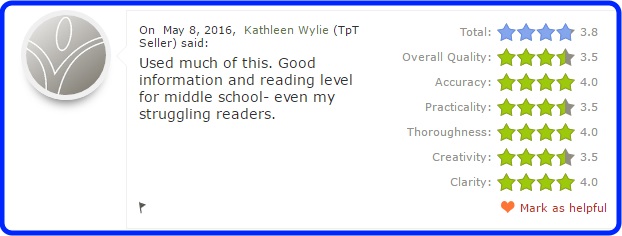
Here is what teachers are saying about the Worlds of North and South Pre-Civil War Bundle:


Want to see a complete activities list for this 30 page social studies bundle, as well as more about the creators Mr. and Mrs. P? Click the link below for all the details on their 26 years combined teaching experience and how they were literally student nominated as superheroes!

